Raw water
- Required input
- Source condition
- Common constraint
- Analysis and availability
Production-Line Planning & Integration
Plan or upgrade a connected PET water bottling line with Allot Tech. Match water treatment, bottle supply, filling, labeling and packing to your required accepted output, then define the interfaces and acceptance test before purchase.
Water preparation to accepted packs
Water preparation and empty-bottle supply meet at filling. Labeling, coding and packing must keep pace so the line delivers accepted finished packs, not just filled bottles.
Catalog equipment sequence
A complete line commonly connects product-water preparation, bottle supply, filling, labeling, coding, secondary packing and finished-pack handling. The key is whether every interface can sustain the required accepted output.
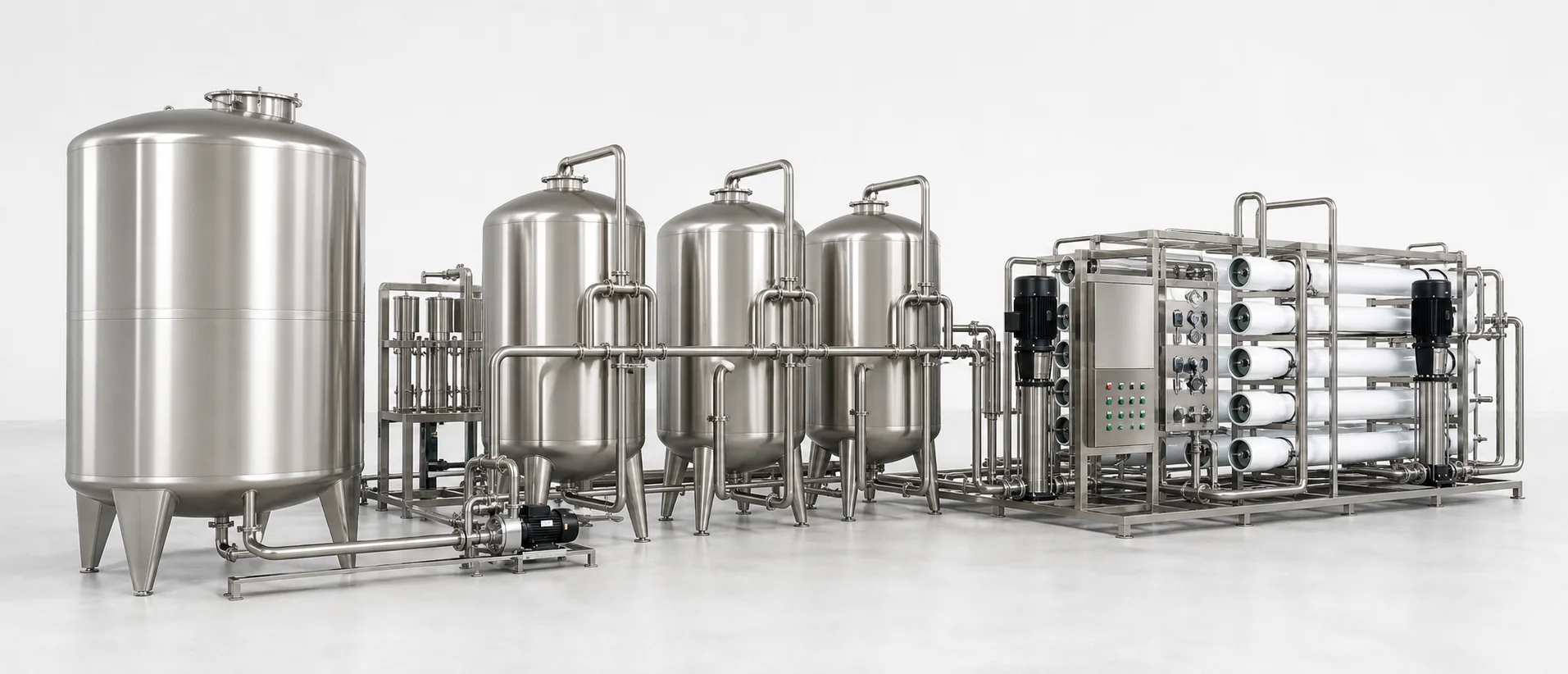
Confirm net treated-water flow at the filler connection. Recovery, sanitation and transfer demand can reduce usable flow.
Review this interface basis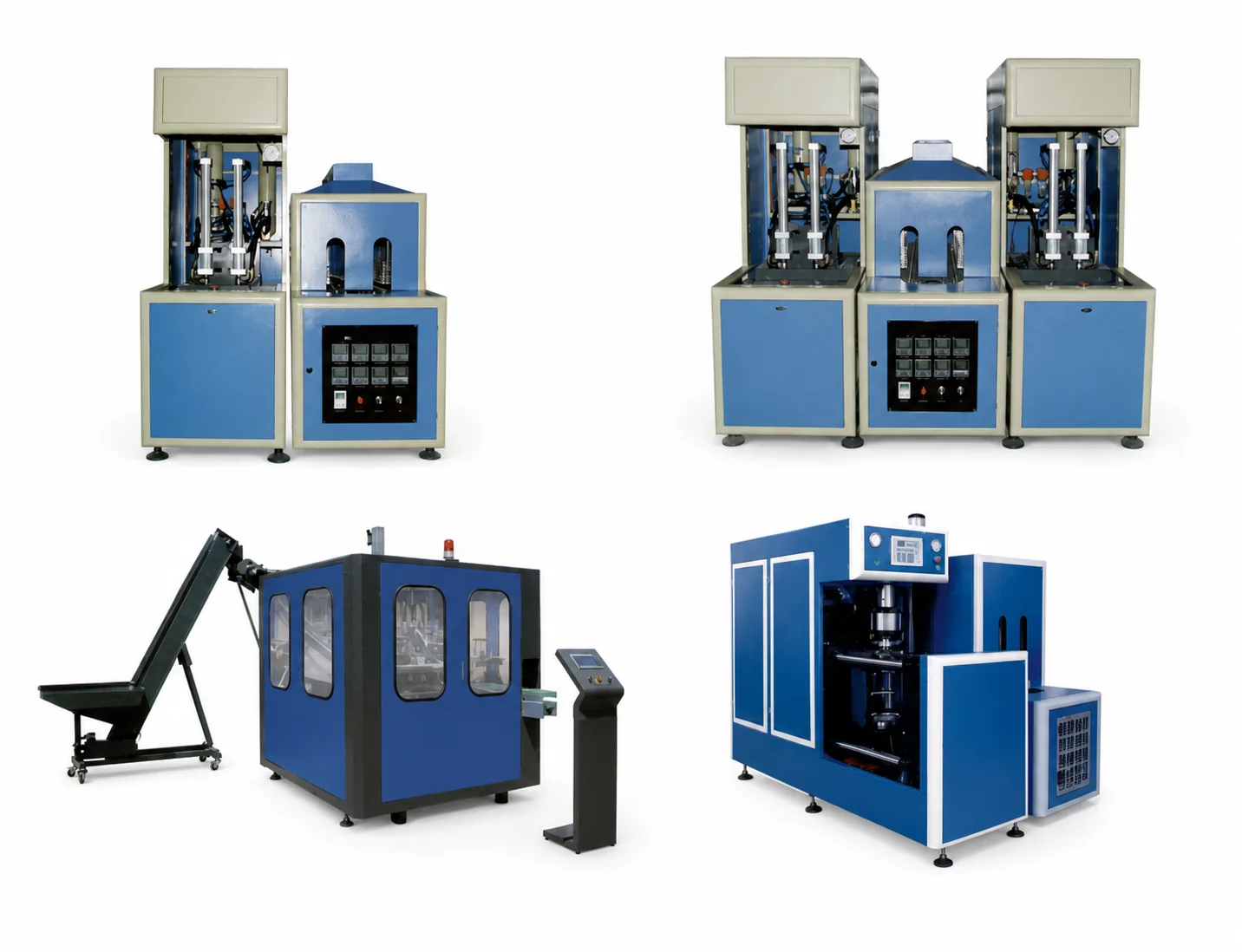
Accepted bottle output depends on the approved preform, bottle geometry, mold, recipe, high-pressure air and cooling.
Review this interface basis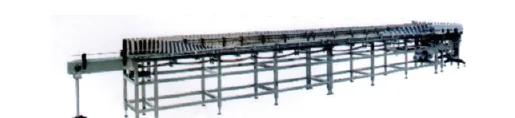
Usable accumulation is a controlled time buffer, not simply conveyor length. Confirm bottle stability and recovery after stops.
Review this interface basis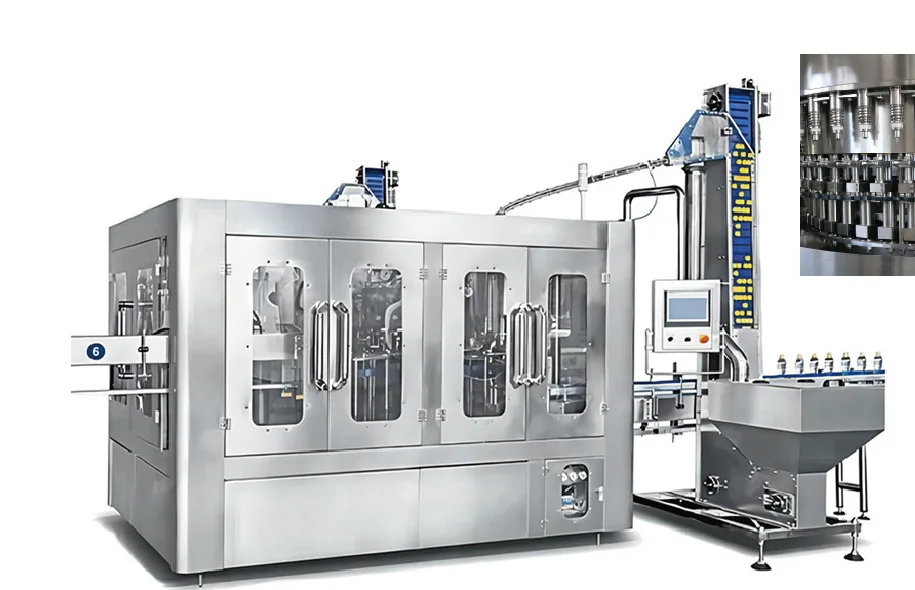
State filler BPH with the reference bottle, product, cap, test window and accepted-output counting point.
Review this interface basis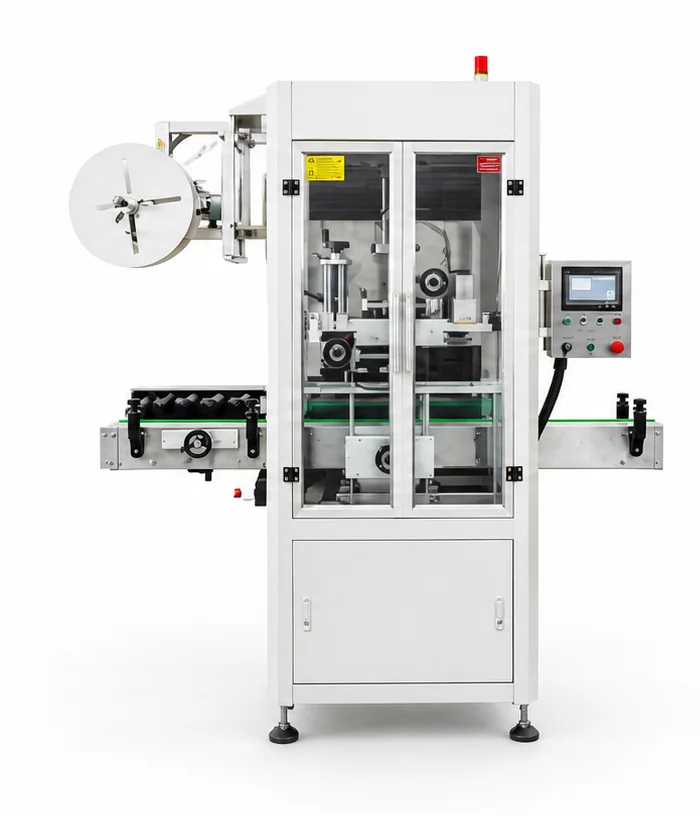
Label application depends on bottle spacing, surface condition, material, recipe, shrink response and reject handling.
Review this interface basis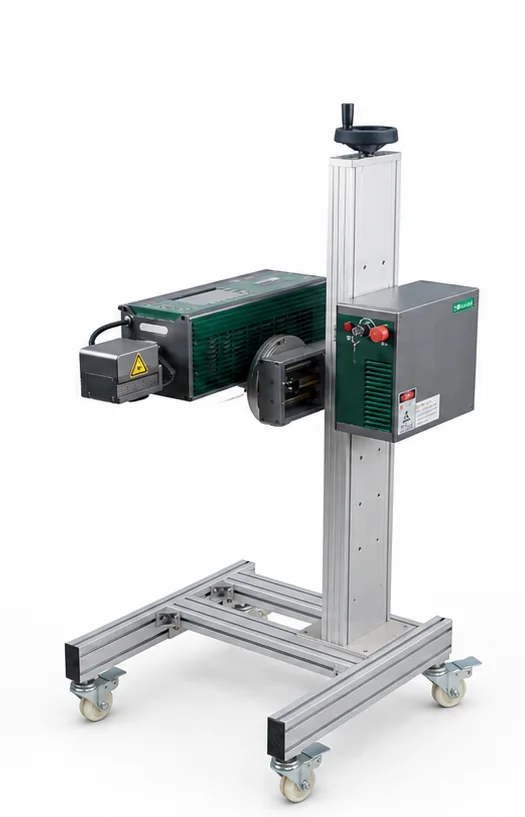
Connect the coder to the approved recipe, trigger, speed reference, verification and reject logic.
Review this interface basis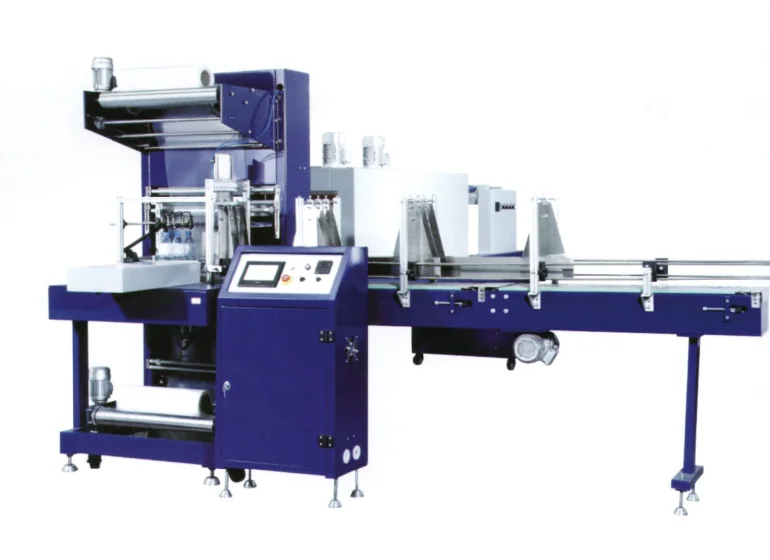
Convert packs per minute to accepted bottles per hour and include grouping, film change, tunnel and cooling losses.
Review this interface basis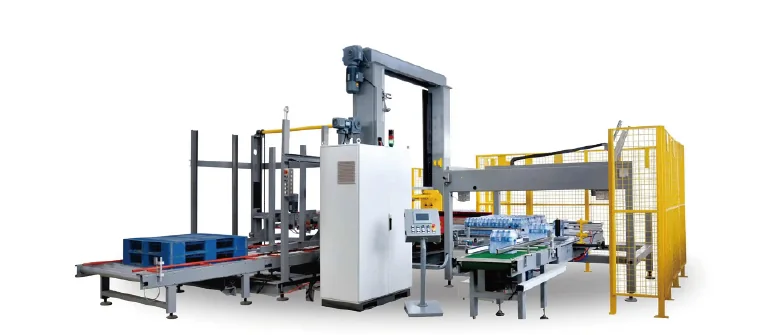
Include layer formation, pallet exchange and full-pallet removal when testing sustained end-of-line capacity.
Review this interface basisSource: Allot Tech Beverage Bottling Catalog 2026. Images are representative equipment references; final models and configurations remain project-specific.
Where output may be lost
These are diagnostic hypotheses, not a claim that every project has every condition.
Calculate the real line limit
No efficiency percentage is prefilled. Use measured data or a scenario you deliberately choose.
Use compatible gross reference capacities for one bottle and pack. Do not enter accepted shift-average rates and deduct their losses again. Leave unknowns blank; percentages are not prefilled.
Preliminary planning only; not a specification, guaranteed rate or commercial offer. The latest result stays in this browser tab until you clear it. It is sent to Allot Tech only if you submit an enquiry.
Three project paths
The evidence required changes between a new line, a retrofit and a low-output diagnosis.
Align bottle, pack, output, utilities and acceptance before machine selection.
Build the project basisMeasure the installed interfaces, shutdown window and current sustained output.
Prepare an integration reviewConnect stops, states, utilities and rejects to a common production timeline.
Run the diagnostic pathBefore approving a production-line proposal
Do not compare only the headline BPH or total price. First confirm the required output, connected scope, meaning of each capacity claim, commercial deviations and the acceptance evidence.
Convert saleable demand, formats and net production time into a defensible line basis.
Choose the capacity architectureSeparate filler nameplate speed from sustained good bottles and accepted packs.
Compare rated and saleable BPHCheck bottle supply, filling, labeling, packing, buffers, utilities and controls on one basis.
Review complete-line integrationCompare inclusions, exclusions, interfaces, utilities, spares, commissioning and deviations before comparing price.
Review the purchase specificationDefine the reference SKU, test window, stops, rejects, counting point and sign-off before FAT.
Prepare FAT and SAT acceptanceWater bottling line performance knowledge hub
Use these engineering guides in sequence: normalize the ratings, calculate the limit, observe line states, quantify losses and freeze the acceptance record.
Convert water flow, BPH and pack cycles to one comparable bottle basis.
Calculate the connected line limitSeparate nameplate speed, sustained output, good bottles and accepted packs.
Define the output counting basisUse starved, blocked, utility and reject evidence to find the repeating constraint.
Follow the diagnostic matrixCalculate Availability, Performance and Quality on one controlled boundary.
Open the OEE worksheetRank repeated short events by production consequence and cause confidence.
Build a short-stop evidence basisRecord the reference SKU, conditions, counts, events, rejects and sign-off.
Prepare the acceptance recordProduction system architecture
Map each stream separately so missing inputs and unassigned interfaces stay visible.
Capacity architecture
Final architecture remains subject to the approved bottle, scope, utilities and operating plan.
| Architecture | Bottle supply | Accumulation | Packing | Operating emphasis |
|---|---|---|---|---|
| Compact | Purchased bottles or simpler feeding | Limited, operator-visible | Manual or semi-automatic interfaces | Clear staffing and access |
| Integrated | Onsite blowing or automatic feed | Zoned, controlled recovery | Automatic pack formation | Interface signals and utilities |
| High-output | Coordinated high-rate supply | Risk-based buffer strategy | Automatic handling and inspection | Fast recovery and maintenance |
| Industrial high-speed | Highly synchronized supply | Monitored accumulation states | Automated end-of-line flow | Data, resilience and change control |
Bottle and SKU changeover
Compatibility must be confirmed for every proposed bottle; no universal format promise is made.
Preform, mold and blowing recipe.
Air conveyor and stability.
Rinser, filler and cap handling.
Recipes, positions and checks.
Pack and pallet pattern.
Quality and acceptance
Performance evidence should distinguish gross production, rejects and accepted saleable output.
Existing-line integration
A retrofit review should include current output, interfaces, space, utilities, signals and the shutdown window.
Make, model, condition, actual sustained output and stop pattern.
Conveyor height, direction, bottle transfer, layout and service access.
PLC signals, utility capacity, drawings, photos, video and shutdown plan.
Allot Tech project role
Allot Tech coordinates project requirements, equipment configuration, manufacturing resources, technical communication, inspection, shipment and agreed startup support. Final manufacturing, testing, installation and service responsibilities are defined in the project quotation and agreement.
Legal entity: Allot Tech (Suzhou) Co., Ltd.
Public contact: Mr Kcal
Address: 3rd Floor, Building 14, No. 71 Guomao Lane, Zhangjiagang, Suzhou, Jiangsu, China
Questions before specification
Answers are planning guidance. Project requirements and performance remain subject to confirmed data and agreements.
The filler is one connected system. Water flow, bottle supply, labeling, packing, utilities, buffers, quality losses and operating time can all set a lower sustained output.
Provide the reference bottle, product water, closure, label, pack format, required good output, operating hours, utilities and any existing equipment information.
No. The calculator is a preliminary planning tool. Final performance requires confirmed equipment, materials, operating conditions and an agreed acceptance procedure.
Detailed project form
Provide confirmed facts, leave unknown values open and attach a bottle drawing when available.