Production Performance Brief
Blow-Fill-Pack Integration for Water Bottling Lines
The three headline machines run with different cycles and stop patterns. Integration defines how the line absorbs those differences without turning every short stop into lost packs.
Direct answer
Why can individually fast machines still form a slow line?
Review point 01
Normalize the rating basis
Compare each machine using the same reference bottle, net operating period and acceptance boundary. Record whether output is instantaneous, test-average or sustained good production.
- Reference bottle and neck finish
- Approved preform and cap
- Pack pattern
- Test duration and stop treatment
Review point 02
Give each interface a recovery strategy
A conveyor is not automatically a useful buffer. Define what happens when the filler is starved, the labeler is blocked or the packer stops cycling.
- Minimum and maximum accumulation
- Controlled slow-down behavior
- Restart sequence
- Reject and re-entry policy
Review point 03
Prove the connected behavior
A line test should include normal running, controlled stops and restart observation. The evidence should show both gross counts and accepted packs.
- Stop log by cause
- Good-bottle and good-pack counts
- Pressure and supply observations
- Open-item list with owners
Catalog equipment evidence
See the machines behind this production-line question.
These Allot Tech catalog references connect the technical explanation to physical equipment. Each caption identifies the capacity, interface or acceptance evidence to confirm.
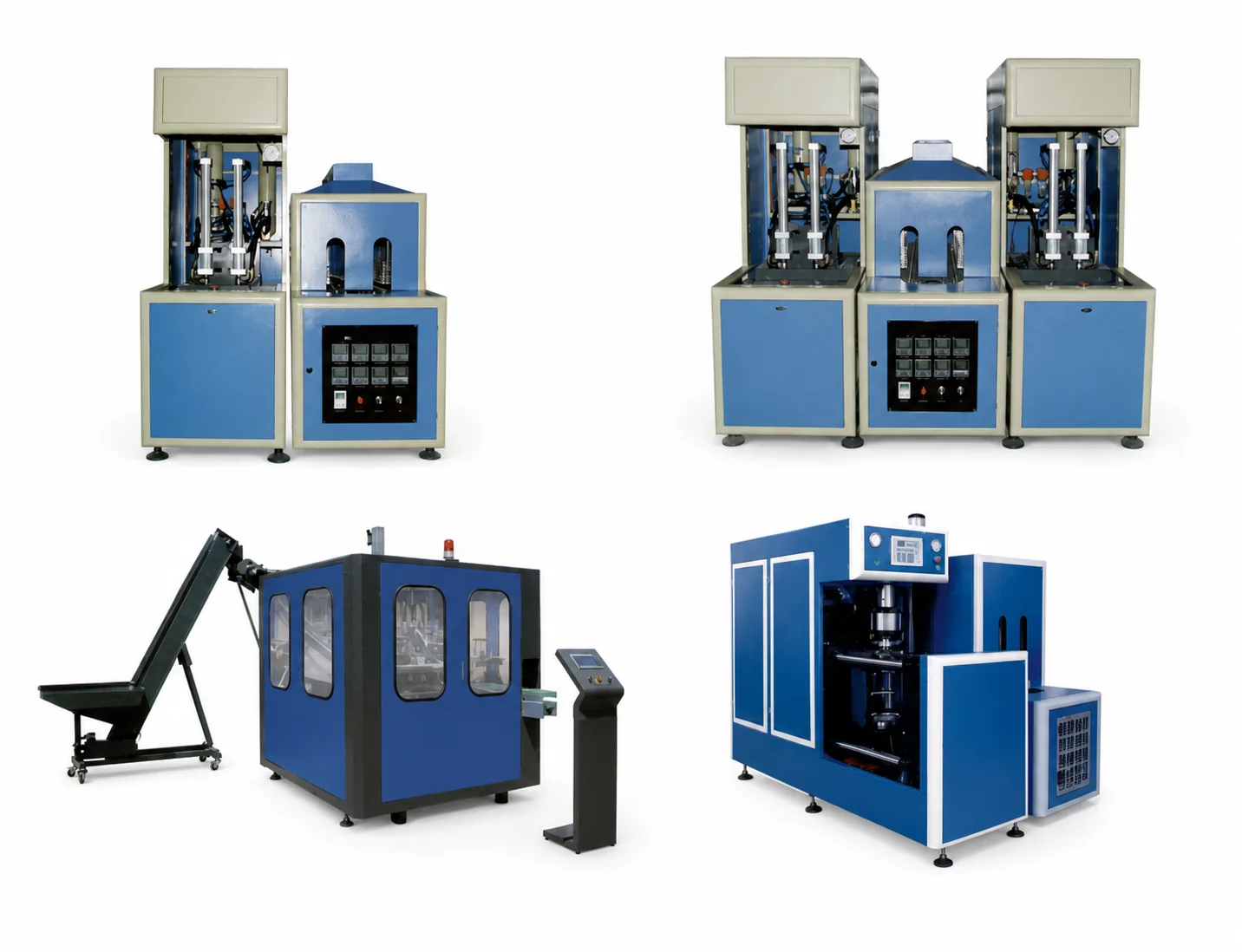
PET bottle blow molding
Accepted bottle output depends on the approved preform, bottle geometry, mold, recipe, high-pressure air and cooling.
Review this interface basis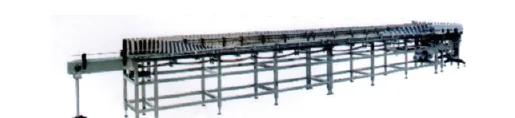
Air conveyor and bottle accumulation
Usable accumulation is a controlled time buffer, not simply conveyor length. Confirm bottle stability and recovery after stops.
Review this interface basis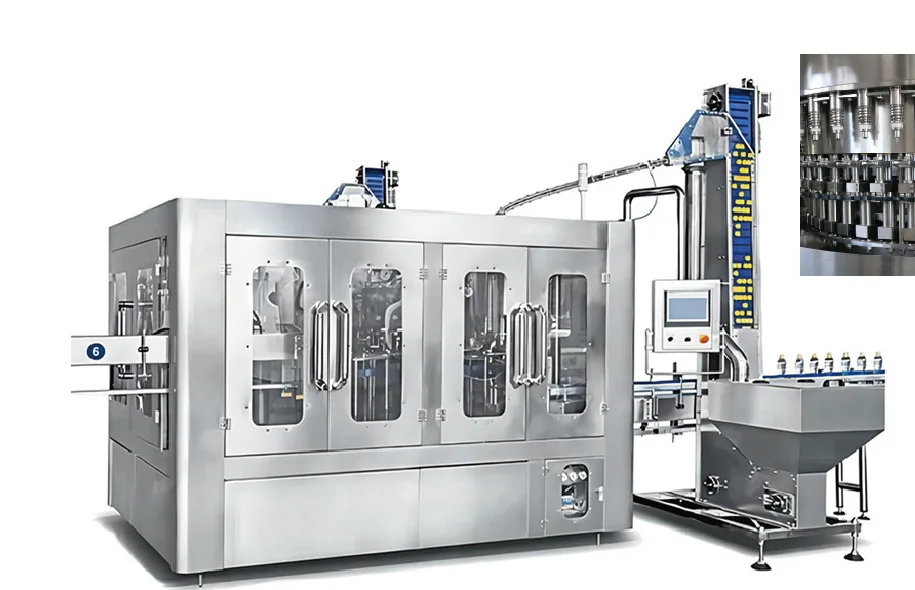
Rinse-fill-cap center
State filler BPH with the reference bottle, product, cap, test window and accepted-output counting point.
Review this interface basis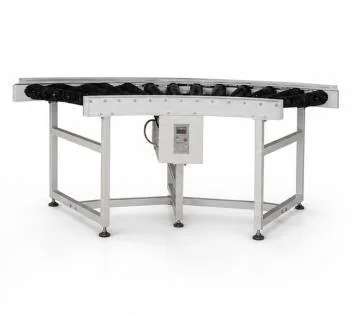
Bottle conveyor transfers
Transfer plates, guides, elevations and speed zones must suit the approved bottle under real wet and dry conditions.
Review this interface basis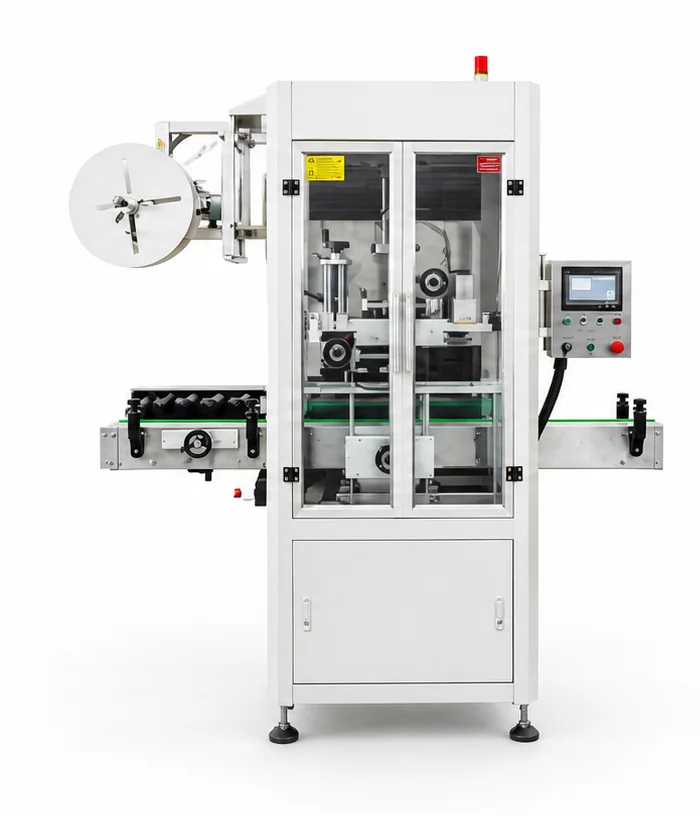
Sleeve labeling
Label application depends on bottle spacing, surface condition, material, recipe, shrink response and reject handling.
Review this interface basis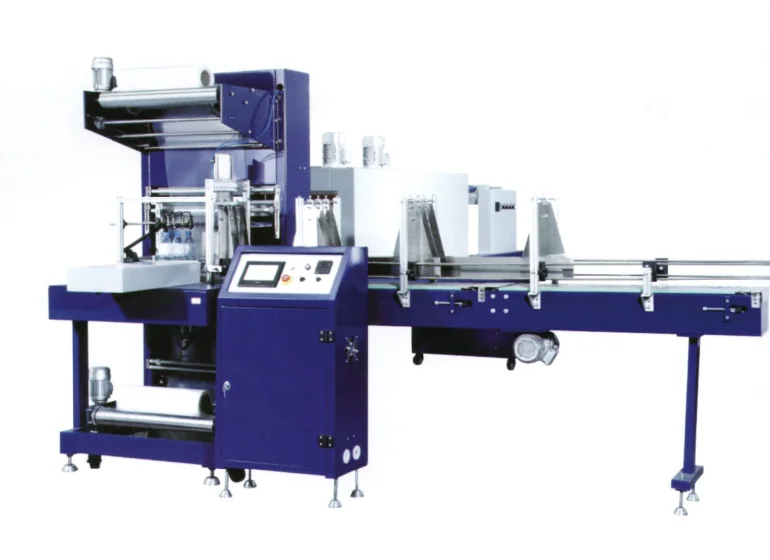
Shrink-film secondary packing
Convert packs per minute to accepted bottles per hour and include grouping, film change, tunnel and cooling losses.
Review this interface basisSource: Allot Tech Beverage Bottling Catalog 2026. Images are representative equipment references; final models and configurations remain project-specific.
Questions before specification
Frequently asked questions
Answers are planning guidance. Project requirements and performance remain subject to confirmed data and agreements.
Should the blower always be rated above the filler?
A design margin may be useful, but it must be evaluated with the approved bottle, blowing conditions, maintenance plan and actual filler demand.
Can more conveyor always solve synchronization problems?
No. Additional length only helps when container stability, control zoning and recovery logic make the space usable as accumulation.
Next buyer step