Production Performance Brief
Use Starved and Blocked States to Find the Bottleneck
The machine that stops most visibly may be responding correctly to a problem elsewhere; connected state timing shows which event starts the loss chain.
Direct answer
How do starved and blocked states identify a bottling-line bottleneck?
Review point 01
Operating decision for Use Starved and Blocked States to Find the Bottleneck
Standardize state definitions and timestamps across machines before ranking the source of lost good output.
- Running, starved, blocked and faulted definitions
- Time-synchronized state history
- Reference SKU and operating window
- Good-output and reject counters
Review point 02
Inputs and connected interfaces
Freeze the project inputs before comparing equipment or changing settings. The review must show where the decision connects to upstream supply, downstream demand, controls and utilities.
- Upstream discharge and downstream infeed states
- Buffer full and empty thresholds
- Machine fault to line response
- Restart permissive and speed recovery
Review point 03
Trade-offs and failure modes
A project-specific choice may improve one condition while moving risk to another node. Review these possible failure modes against the approved bottle, pack, operating window and installed conditions.
- One event is counted at every affected machine
- Symptoms are coded as root causes
- Clock differences distort event order
- Manual overrides hide the normal response
Review point 04
Evidence and acceptance record
Close the decision with measurements and revision-controlled records. Final performance remains subject to the approved materials, equipment, utilities, operating conditions and agreed test procedure.
- Time-aligned state chart
- Loss ownership and cause review
- Constraint-centered event Pareto
- Before-and-after good-output comparison
Catalog equipment evidence
See the machines behind this production-line question.
These Allot Tech catalog references connect the technical explanation to physical equipment. Each caption identifies the capacity, interface or acceptance evidence to confirm.
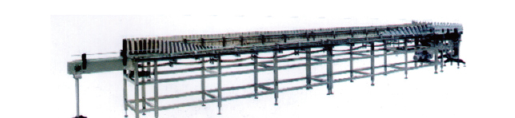
Air conveyor and bottle accumulation
Usable accumulation is a controlled time buffer, not simply conveyor length. Confirm bottle stability and recovery after stops.
Review this interface basis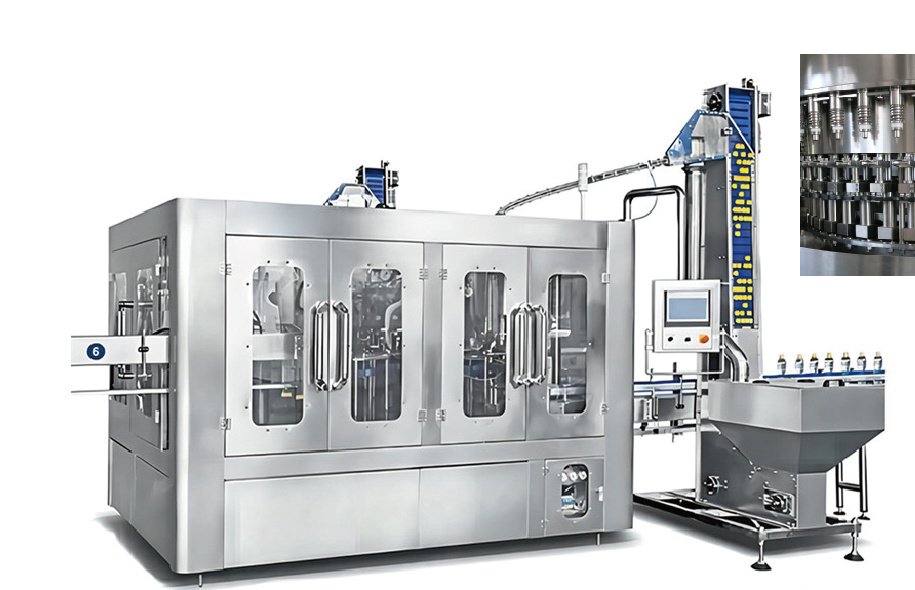
Rinse-fill-cap center
State filler BPH with the reference bottle, product, cap, test window and accepted-output counting point.
Review this interface basis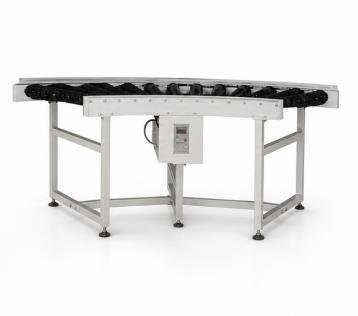
Bottle conveyor transfers
Transfer plates, guides, elevations and speed zones must suit the approved bottle under real wet and dry conditions.
Review this interface basis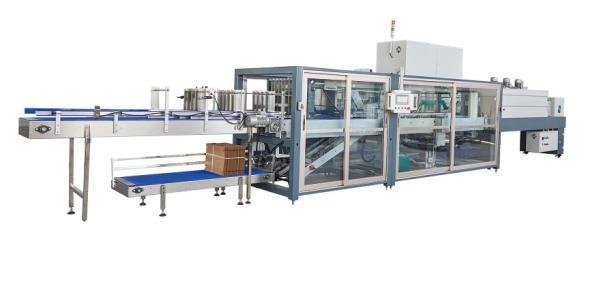
End-of-line packing system
The packer is one connected capacity node; pack pattern, cycle, bottle behavior and discharge flow set the usable rate.
Review this interface basisSource: Allot Tech Beverage Bottling Catalog 2026. Images are representative equipment references; final models and configurations remain project-specific.
Questions before specification
Frequently asked questions
Answers are planning guidance. Project requirements and performance remain subject to confirmed data and agreements.
What information should a buyer send for Use Starved and Blocked States to Find the Bottleneck?
Send the confirmed project inputs, drawings, current line records, photos or video where relevant, and keep unknown values clearly marked for project review.
Does this guide guarantee a production result?
No. It provides a structured planning and evidence basis. Final configuration and performance require project-specific confirmation and an agreed acceptance procedure.