Production Performance Brief
Choose Critical Spares That Can Actually Restore Line Output
A part on a shelf protects production only when it matches the installed equipment, is usable and can be put into service under the approved recovery process.
Direct answer
How should a bottling line decide which critical spares to stock?
Review point 01
Start with a failure scenario and the affected output
Name the failed function, the affected machines and the approved production condition that must be restored. Ask whether the line stops, runs at a restricted rate or creates unacceptable product. Keep safety and quality consequences visible even when the immediate bottle-count effect is small. A business tolerance for interruption is not permission to bypass a protective function.
- Use fault history or a documented engineering assessment; mark an unconfirmed failure mode as unconfirmed.
- Account for shared dependencies and a changing bottleneck instead of assigning criticality from purchase price.
- If an alternative source, repair route or redundant asset is proposed, verify its applicability and readiness rather than assuming it exists.
Review point 02
Test whether stock changes the restoration decision
Independent illustration: diagnosis takes 15 minutes, waiting for a released part 45 minutes, approved replacement work 30 minutes and restoration/release checks 40 minutes. The clock runs from the defined loss of production capability to the agreed accepted-output condition; the 40-minute block includes that output verification. With these sequential assumptions the total is 130 minutes. If a ready local spare removes only the 45-minute wait, the modeled total becomes 85 minutes. Against an illustrative 90-minute business tolerance, that leaves just five minutes of margin; the spare does not remove diagnosis, work or release checks.
- These times are invented for the decision example, not supplier delivery promises, work instructions or a universal outage tolerance.
- Check measured ranges and dependency overlap for the real scenario. Do not turn the five-minute modeled margin into a recovery guarantee.
- If the remaining work still exceeds the required window, address the recovery capability as well as the stock purchase.
Review point 03
Count usable and uncommitted stock, not boxes or orders
Match the stock item to the installed asset, component number, revision and any approved substitution. For electronic or configured items, verify the necessary compatibility and controlled restoration records with the responsible team. Illustrative stock check: three physically recorded units minus one quarantined unit and one separately reserved for another job leaves one usable, uncommitted unit. Two units on order do not increase that on-hand availability before receipt and release.
- Keep condition, shelf-life or preservation requirements from the actual manufacturer documentation; do not invent a common storage limit.
- Record whether seals, adapters, consumables or other required kit items are missing before calling a spare ready.
- Do not pool stock across machines solely because descriptions or external dimensions look similar. Confirm interchangeability and concurrent demand.
Review point 04
Replenish the recovery capability after a part is used
Link issue, reservation, return, repair and replacement purchasing to one controlled item record. After use, review the remaining usable stock and the verified supply route. Separate a routine consumption-based reorder rule from a rare high-consequence spare decision; a universal percentage of equipment price cannot establish either policy.
- Assign who checks stock condition, confirms current lead time and approves reorder or obsolescence action.
- Do not treat an untested repaired assembly or an overdue purchase order as ready stock.
- For a production-line review, provide the non-confidential failure scenario, component identity, actual recovery history and stock gap. Do not send credentials, software keys or proprietary controller backups.
| Finding | What it means | Next decision |
|---|---|---|
| Part wait dominates an otherwise feasible recovery | A verified usable spare may remove that waiting segment. | Compare local stock with a confirmed supply or repair arrangement. |
| Release or replacement capability dominates | Buying a spare alone does not resolve the long recovery. | Review qualified resources, tooling and the approved restoration plan. |
| Stock exists but revision or condition is unknown | Recorded quantity is not proven usable availability. | Resolve identity and condition before counting it as protection. |
| One common part serves several concurrent demands | Shared stock may already be committed elsewhere. | Review reservations and credible simultaneous needs. |
| Item is obsolete or the supply route is uncertain | The future restoration route is not established. | Review an approved alternative, repair capability or engineered upgrade. |
Catalog equipment evidence
See the machines behind this production-line question.
These Allot Tech catalog references connect the technical explanation to physical equipment. Each caption identifies the capacity, interface or acceptance evidence to confirm.
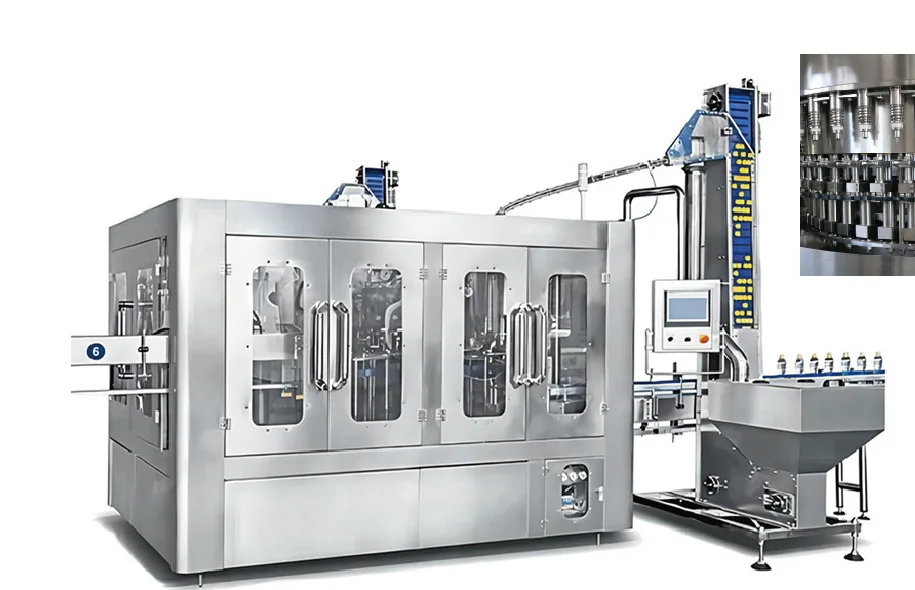
Rinse-fill-cap center
State filler BPH with the reference bottle, product, cap, test window and accepted-output counting point.
Review this interface basis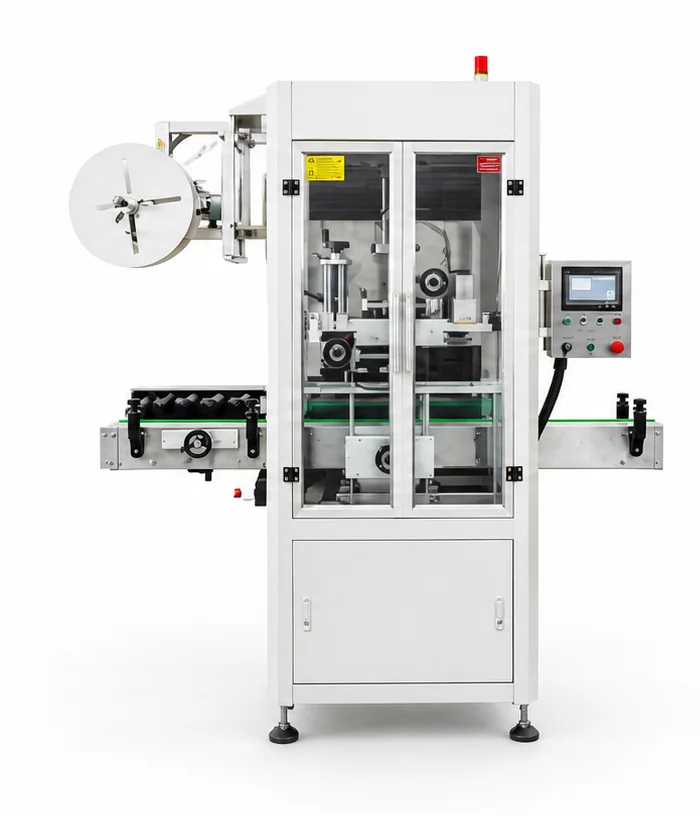
Sleeve labeling
Label application depends on bottle spacing, surface condition, material, recipe, shrink response and reject handling.
Review this interface basis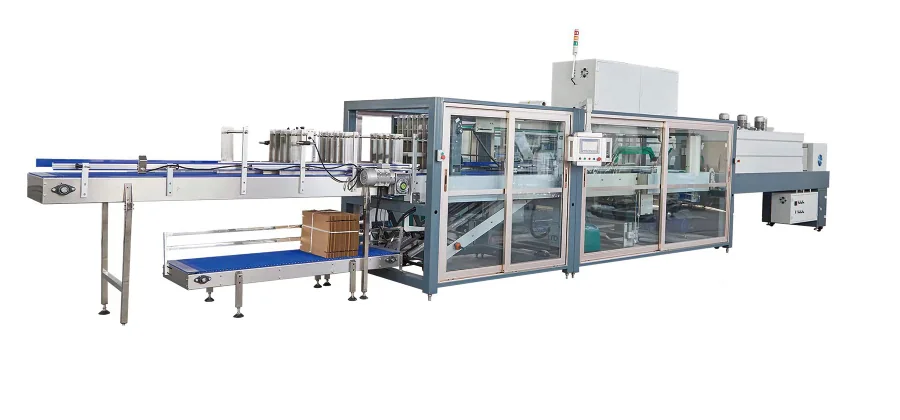
Carton and case packing
Confirm case material, bottle arrangement, closure method, discharge condition and accepted complete-case output.
Review this interface basisSource: Allot Tech Beverage Bottling Catalog 2026. Images are representative equipment references; final models and configurations remain project-specific.
Questions before specification
Frequently asked questions
Answers are planning guidance. Project requirements and performance remain subject to confirmed data and agreements.
Does every long-lead item need an on-site spare?
Not automatically. Evaluate failure consequence, credible demand, condition monitoring, alternatives and the complete restoration route. A universal quantity would hide these differences.
Can a supplier spare-parts kit be accepted unchanged?
Use it as an input, then check the installed revisions, actual operating scenario, missing kit components, usable availability and site recovery capability before approving it.
Does buying a spare guarantee less downtime?
No. It can remove a verified parts-wait segment, but diagnosis, access, qualified work, required checks and production recovery may still govern the result.
Next buyer step