Production Performance Brief
Analyze Filler Discharge Blockage
Blocked filler operation usually reflects a downstream condition that has propagated backward through bottles and conveyor zones.
Direct answer
Where should a blockage investigation begin?
Review point 01
Operating decision for Analyze Filler Discharge Blockage
Follow the blockage direction downstream and distinguish one long failure from repeated small interruptions.
- Blocked-state duration by machine
- Buffer and conveyor sensor history
- Labeler and packer stop codes
- Bottle and pack reference format
Review point 02
Inputs and connected interfaces
Freeze the project inputs before comparing equipment or changing settings. The review must show where the decision connects to upstream supply, downstream demand, controls and utilities.
- Filler discharge transfer
- Inspection and rejection point
- Labeler infeed and discharge
- Packer grouping and cycle request
Review point 03
Trade-offs and failure modes
A project-specific choice may improve one condition while moving risk to another node. Review these possible failure modes against the approved bottle, pack, operating window and installed conditions.
- Buffer capacity exists but cannot recover
- Reject station creates uncontrolled gaps
- Packer cycle is slower than bottle arrival
- Restart commands release excessive bottle pressure
Review point 04
Evidence and acceptance record
Close the decision with measurements and revision-controlled records. Final performance remains subject to the approved materials, equipment, utilities, operating conditions and agreed test procedure.
- State sequence around each blockage
- Buffer occupancy trend
- Good-pack and reject counts
- Controlled downstream stop test
Catalog equipment evidence
See the machines behind this production-line question.
These Allot Tech catalog references connect the technical explanation to physical equipment. Each caption identifies the capacity, interface or acceptance evidence to confirm.
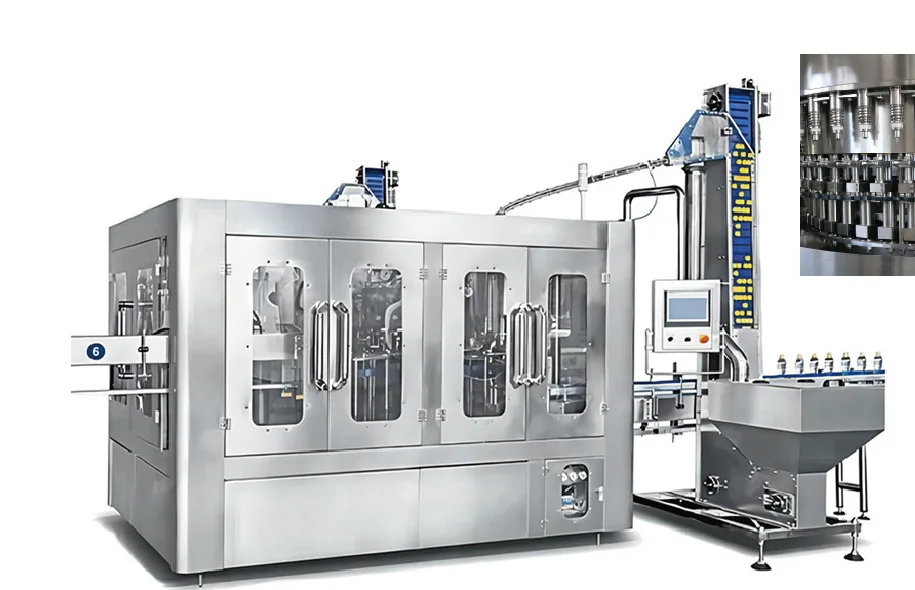
Rinse-fill-cap center
State filler BPH with the reference bottle, product, cap, test window and accepted-output counting point.
Review this interface basis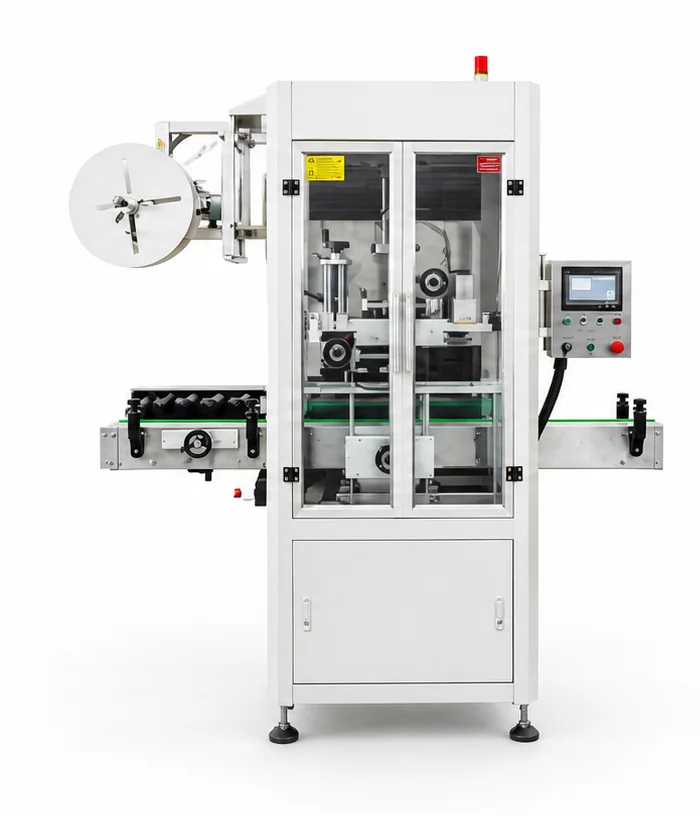
Sleeve labeling
Label application depends on bottle spacing, surface condition, material, recipe, shrink response and reject handling.
Review this interface basis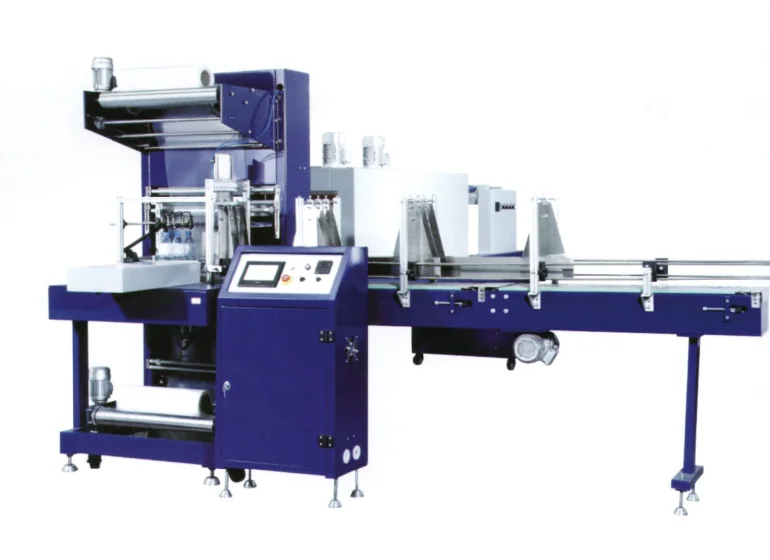
Shrink-film secondary packing
Convert packs per minute to accepted bottles per hour and include grouping, film change, tunnel and cooling losses.
Review this interface basisSource: Allot Tech Beverage Bottling Catalog 2026. Images are representative equipment references; final models and configurations remain project-specific.
Questions before specification
Frequently asked questions
Answers are planning guidance. Project requirements and performance remain subject to confirmed data and agreements.
What information should a buyer send for Analyze Filler Discharge Blockage?
Send the confirmed project inputs, drawings, current line records, photos or video where relevant, and keep unknown values clearly marked for project review.
Does this guide guarantee a production result?
No. It provides a structured planning and evidence basis. Final configuration and performance require project-specific confirmation and an agreed acceptance procedure.
Next buyer step